
Services
Treating all digestive system diseases
Esophageal reflux
Difficulty swallowing
Stomach bacteria
Stomach and duodenal ulcers
Diseases of digestion and absorption
Dairy allergy
Celiac disease
Diagnosis of gastrointestinal tumors
Irritable bowel syndrome
Ulcerative colitis
Crohn's disease
Chronic constipation
Chronic diarrhea
Diseases of the anus and rectum
Treating all liver diseases
Hepatitis viruses
Fatty liver
Esophageal varices
Immune liver diseases
Obstructive jaundice
Liver tumors
Pancreatic tumors
Irritable Bowel Syndrome (IBS)
A Comprehensive Guide to Understanding Symptoms, Causes, and Treatment Irritable bowel syndrome (IBS) is one of the most common digestive disorders. It is a chronic functional disorder affecting the large intestine, leading to a range of symptoms such as abdominal pain, bloating, and alternating bowel movements (diarrhea and constipation). Although IBS does not cause organic damage to the intestines, it significantly impacts a patient's comfort and quality of life.
⚙️ Causes of Irritable Bowel Syndrome
The exact cause of IBS is still unknown, but several factors contribute to its development, including:
• Irregular bowel movements (slow or fast contractions).
• Increased sensitivity of the intestines to pain or bloating.
• Ongoing stress and psychological pressure.
• Changes in the balance of beneficial bacteria in the digestive tract.
• Consuming certain foods such as fats, caffeine, spicy foods, or dairy products.
🔍 Irritable Bowel Syndrome (IBS) Symptoms
Symptoms vary from person to person and include:
• Abdominal pain or cramps that improve after a bowel movement.
• Chronic bloating or fullness in the abdomen.
• Episodes of constipation, diarrhea, or alternating between the two.
• Increased gas or belching.
• A feeling of incomplete bowel movement.
Symptoms usually worsen after eating or during times of stress and improve with a balanced diet and a healthy lifestyle.
🧪 Diagnosis of Irritable Bowel Syndrome (IBS)
Diagnosis is based on medical history and physical examination, while ruling out organic diseases such as:
• Crohn's disease or ulcerative colitis.
• Gluten intolerance (celiac disease).
• Intestinal infections or parasites.
Your doctor may recommend blood tests, stool tests, or a colonoscopy to assess the colon and confirm the diagnosis.
💊 Irritable Bowel Syndrome (IBS) Treatment
IBS cannot be completely cured, but symptoms can be effectively managed through:
• Dietary modifications: Avoid irritating foods such as fatty foods, caffeine, and carbonated beverages.
• Medications: Antispasmodics, antidiarrheal or anticonvulsant medications, and low-dose antidepressants when needed.
• Psychological and behavioral therapy: To reduce the impact of anxiety and stress on symptoms.
• Regular physical activity: Helps improve bowel movements and reduce stress.
🌿 Tips from a Gastroenterologist
• Eat small, frequent meals throughout the day.
• Drink plenty of water.
• Gradually increase the fiber in your diet.
• Reduce your intake of stimulants and refined carbohydrates.
• Get enough sleep and practice relaxation techniques.
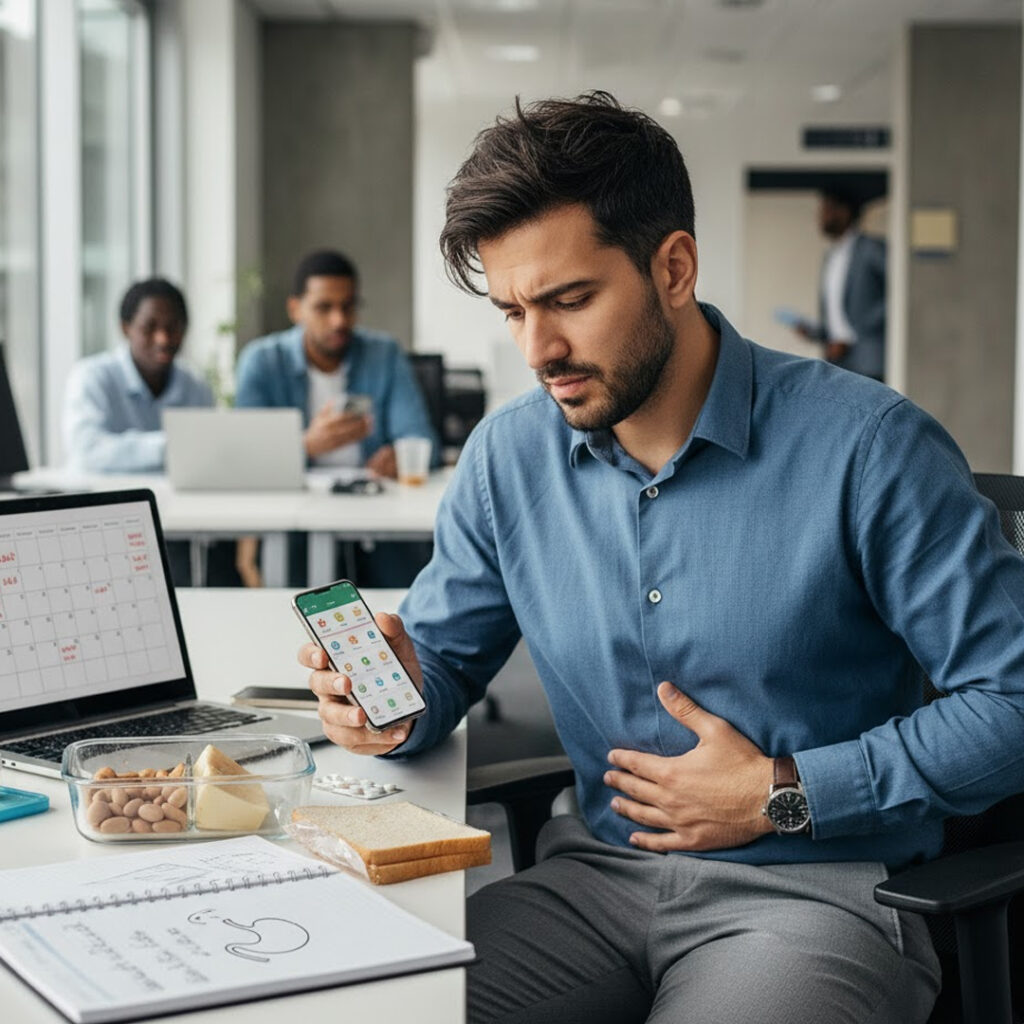
Gastroesophageal Reflux Disease (GERD)
A Comprehensive Guide to Its Causes, Symptoms, and Treatments GERD is one of the most common digestive disorders. It occurs when acidic stomach contents flow back up into the esophagus, causing a burning sensation or pain behind the breastbone, and may be accompanied by a bitter or sour taste in the mouth. Over time, chronic reflux can lead to inflammation or irritation of the esophageal lining if not properly treated.
⚙️ Causes of GERD
GERD occurs due to weakness in the lower esophageal sphincter, the valve that separates the esophagus from the stomach.
Factors that increase the likelihood of developing GERD include:
• Being overweight or obese.
• Eating large or fatty meals.
• Smoking or drinking alcohol.
• A hiatal hernia.
• Pregnancy (due to increased pressure within the abdomen).
• Some medications, such as painkillers or blood pressure medications.
🔍 Common Symptoms
• Heartburn after eating or when lying down.
• Regurgitation of food or liquids into the mouth.
• A bitter or sour taste in the throat.
• Pain or difficulty swallowing.
• Chronic cough or hoarseness, especially in the morning.
• A feeling of a “lump” in the throat.
🧪 Diagnosis
Diagnosis is usually based on symptoms. In advanced cases, the doctor may order some tests, such as:
• Endoscopy of the stomach and esophagus to evaluate inflammation or ulcers.
• Esophageal pH monitoring.
• Manometry (measuring the pressure of the lower esophageal sphincter).
💊 Treatment
Treatment for gastroesophageal reflux disease (GERD) depends on lifestyle changes, medications, or, in some cases, endoscopic intervention:
1. Lifestyle Modifications:
• Eat small, frequent meals instead of large ones.
• Avoid eating 2–3 hours before bedtime.
• Elevate the head of your bed slightly while sleeping.
• Reduce excess weight.
• Avoid trigger foods such as fats, chocolate, coffee, mint, and carbonated drinks.
2. Medications:
• Proton pump inhibitors (PPIs) such as esomeprazole or pantoprazole.
• H2 receptor blockers such as famotidine.
• Antacids for temporary symptom relief.
3. Endoscopic or Surgical Treatment:
In cases resistant to medication, the following may be considered:
• Endoscopic sphincter tightening.
• Nissen fundoplication to strengthen the gastric valve.
🌿 Medical Advice from a Gastroenterologist
• Maintain a healthy weight.
• Wear loose-fitting clothing to avoid putting pressure on your abdomen.
• Avoid smoking.
• Do not lie down immediately after eating.
• Follow up with a gastroenterologist if the symptoms are frequent or accompanied by difficulty swallowing or vomiting blood.
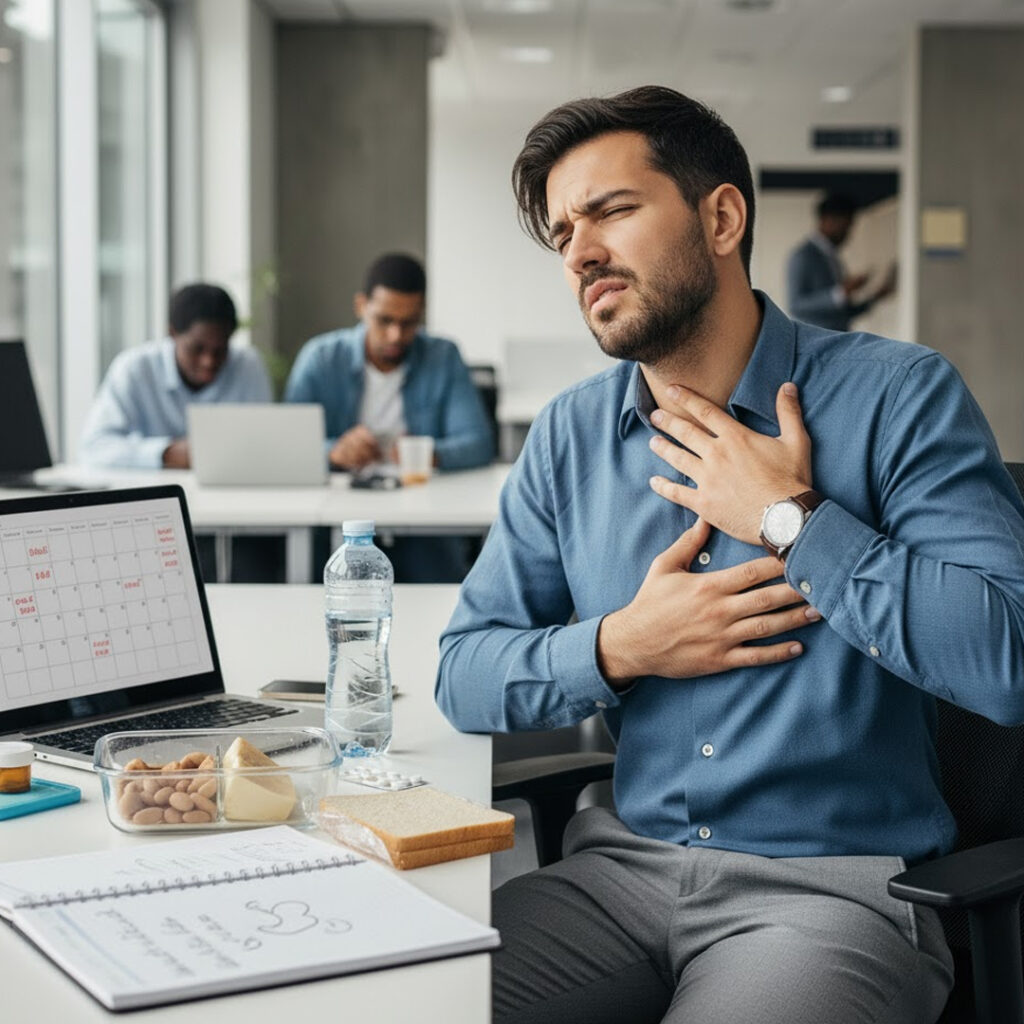
⚕️ Gastric Balloon
An effective non-surgical method for weight loss under medical supervision
The gastric balloon is one of the latest non-surgical methods used to treat obesity. It is suitable for individuals who have not been able to lose weight through diet and exercise alone.
The procedure is performed endoscopically without any surgical intervention. A balloon is placed inside the stomach to fill part of it, which reduces appetite and makes the patient feel full quickly.
🎯 What is a gastric balloon?
It is a flexible silicone device that is filled with saline solution or gas after being inserted into the stomach endoscopically.
The balloon remains in the stomach for a period ranging from 6 to 12 months, depending on its type, and is then deflated and removed endoscopically.
⚙️ How does the gastric balloon work?
The gastric balloon works by:
• Reducing the stomach's capacity, thus leading to eating smaller portions.
• Increasing the feeling of fullness after small meals.
• Helping to gradually change eating habits.
These factors combined lead to a weight loss of 10% to 25% of total body weight during the first few months.
👥 Who is this procedure suitable for?
The gastric balloon is a suitable option for people who:
• Have a body mass index (BMI) between 27 and 40.
• Have not been successful in losing weight through diet alone.
• Do not want or are not advised to undergo surgery.
• Do not have any gastrointestinal problems that would prevent balloon placement.
🚫 Contraindications for gastric balloon placement:
• Active ulcer in the stomach or esophagus.
• Large hiatal hernia.
• Pregnancy or breastfeeding.
• Previous stomach surgery.
• Psychological or behavioral eating disorders (such as bulimia nervosa).
🔍 Preparation and Procedure
1. The patient undergoes a medical evaluation, and the digestive system is checked endoscopically.
2. The balloon is inserted through the mouth using an endoscope, without the need for surgery or general anesthesia.
3. The balloon is filled with a sterile solution or a small amount of gas until it reaches the desired size.
4. The patient is discharged on the same day or after a few hours.
💊 Post-Procedure Period
During the first few days, the patient may experience:
• Nausea or mild abdominal cramps (which subside within a few days).
• A feeling of fullness sooner.
• Gradual weight loss during the first few weeks.
The patient is advised to follow a diet plan supervised by their doctor and a nutritionist to ensure healthy and sustainable weight loss.
🩺 Balloon Removal
The balloon is removed endoscopically after 6–12 months, under mild sedation, without any surgery.
After removal, the patient is advised to continue a healthy diet to maintain their weight.
🌿 Tips from a Gastroenterologist
• Eat slowly and chew thoroughly.
• Avoid sugary drinks and heavy fats.
• Adhere to the regular follow-up schedule after insertion.
• Drink water between meals, not during them.
• Do not neglect follow-up appointments after balloon removal to maintain the results.

🩺 Endoscopy
Accurate Diagnosis and Safe Treatment Without Surgery
Endoscopy is one of the most important advancements in gastroenterology, allowing doctors to directly view the inside of the digestive system and diagnose problems with high accuracy, without the need for surgery.
Endoscopy is used to examine and diagnose diseases of the esophagus, stomach, intestines, colon, and bile ducts. It is also used for treatment, polyp removal, and to stop bleeding.
🔍 What is an Endoscope?
An endoscope is a thin, flexible tube equipped with a tiny camera and light source. It is inserted into the body through the mouth or anus, depending on the type of examination, and displays a live image on a high-definition video screen.
This device allows doctors to examine internal membranes, take samples (biopsies), or even perform minor therapeutic interventions.
⚙️ Types of Endoscopy in the Digestive System
1️⃣ Gastroscopy
Used to evaluate the esophagus, stomach, and duodenum, and helps diagnose:
• Stomach inflammation or ulcers.
• Gastroesophageal reflux disease (GERD).
• Upper gastrointestinal bleeding.
• Tumors or polyps of the stomach and esophagus.
• Taking samples to test for Helicobacter pylori or tumors.
🕐 Usually performed under mild sedation, and takes only 10–15 minutes.
2️⃣ Colonoscopy
Used to examine the colon and rectum, and is considered the most accurate tool for:
• Detecting and removing polyps.
• Diagnosing inflammatory bowel diseases such as Crohn's and ulcerative colitis.
• Investigating the causes of bleeding or chronic diarrhea.
• Early detection of colon cancer.
🩹 During endoscopy, polyps can be removed or biopsies taken without any surgical incision.
3️⃣ Endoscopic Retrograde Cholangiopancreatography (ERCP)
Used to diagnose and treat diseases of the bile ducts and pancreas, such as:
• Gallstones.
• Bile duct obstruction or narrowing.
• Stone removal or stent placement.
It is a minimally invasive procedure performed in specialized centers.
💊 Preparation for Endoscopy
• Fasting for 6 to 8 hours before gastroscopy.
• Preparing the colon with a special laxative before colonoscopy.
• Discontinuing certain medications (such as anticoagulants) after consulting with your doctor.
• The endoscopy is usually performed under intravenous sedation to avoid any discomfort.
🧘♂️ After the Endoscopy
• The patient is discharged the same day after recovering from the sedation.
• You may experience mild bloating or temporary belching.
• You can gradually start eating two hours after the procedure.
• If samples were taken, the results will be available within a few days.
🌿 Benefits of Endoscopy
• Accurate diagnosis of gastrointestinal diseases.
• Avoiding surgery in many cases.
• Faster recovery and return to normal life.
• The possibility of treatment in the same session (resection, cauterization, dilation).
⚠️ When should you see a doctor immediately after an endoscopy?
• Severe abdominal pain.
• Vomiting blood or black stools.
• High fever or persistent dizziness.
These cases are rare but require immediate medical attention.
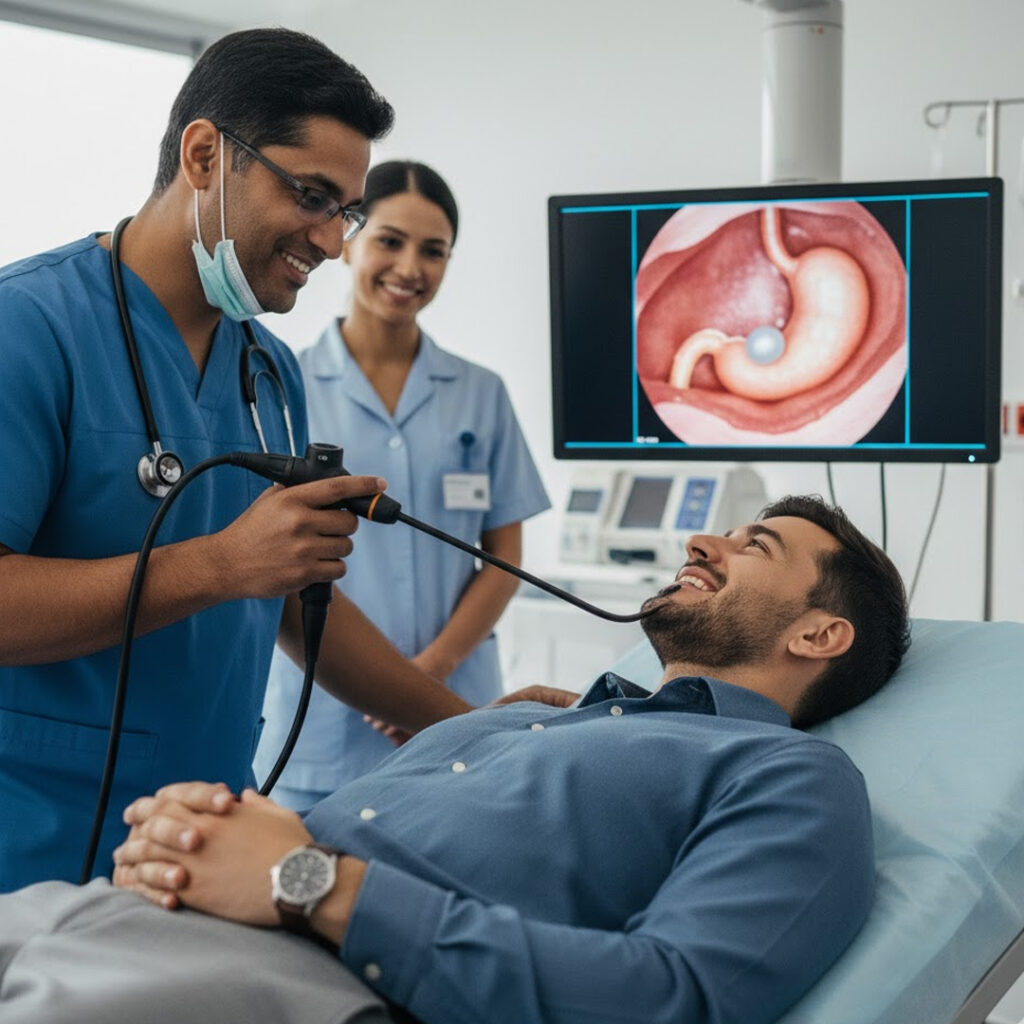
What to Expect
Deep Expertise
Gastrointestinal diseases are often referred to as complex, rare, or difficult-to-diagnose cases, which I am able to resolve.
Comprehensive and Meticulous Evaluation
My work doesn't just treat the symptoms; I look for the root cause. This includes a thorough review of your complete medical history, including previous tests and treatments.
Mastery of Complex Procedures
I perform all standard procedures (colonoscopy, gastroscopy), but I am an expert in advanced therapeutic endoscopy.